
Precision casting with excellent quality
Integrated research and development, manufacturing, sales, and technical services of laboratory scientific instruments and intelligent equipment
National Consultation Hotline 15738867410
Integrated research and development, manufacturing, sales, and technical services of laboratory scientific instruments and intelligent equipment
National Consultation Hotline 15738867410

15738867410
Greenland Binhu International City (District 1), Erqi District, Zhengzhou City, Henan Province
Details
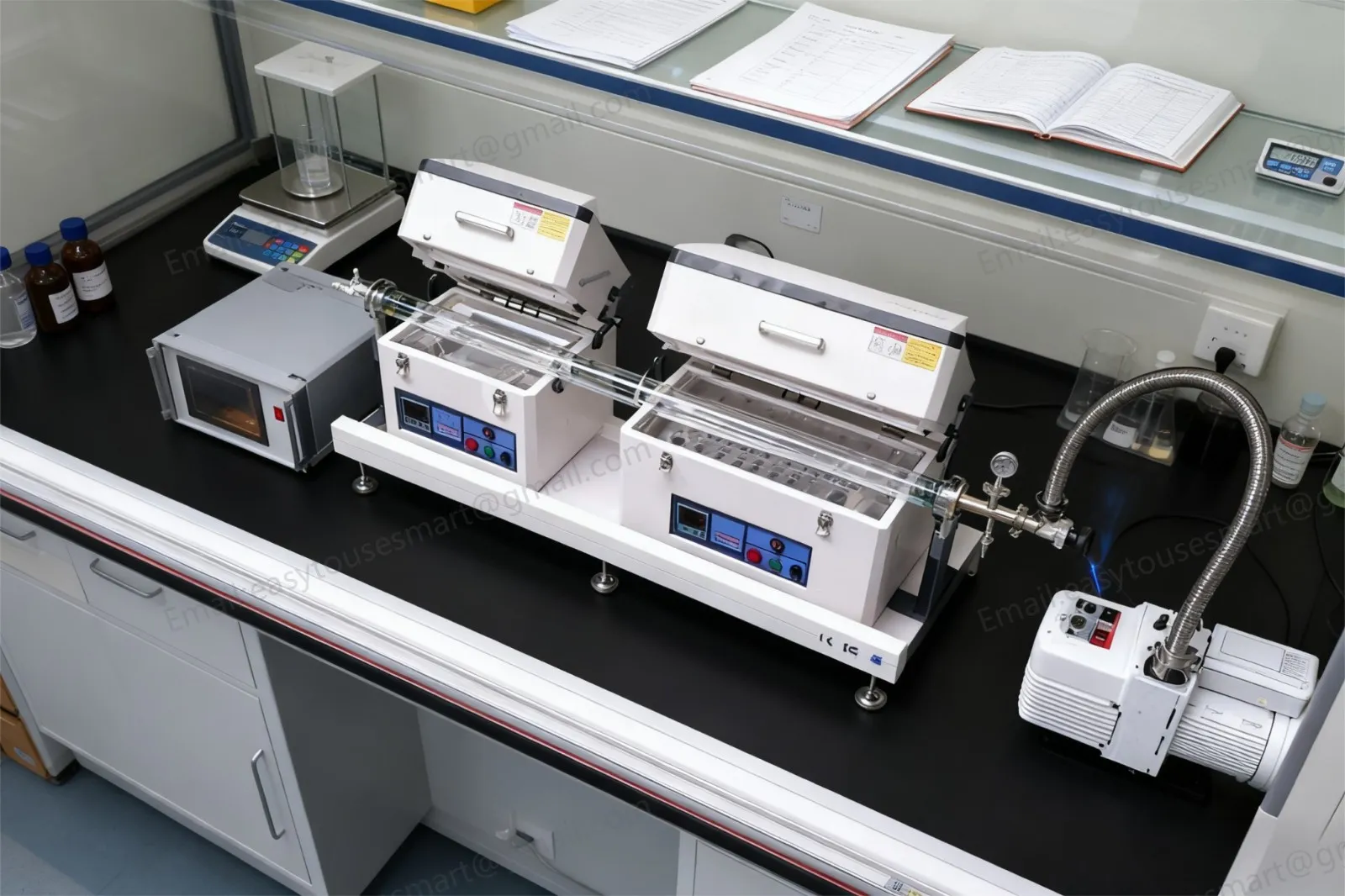
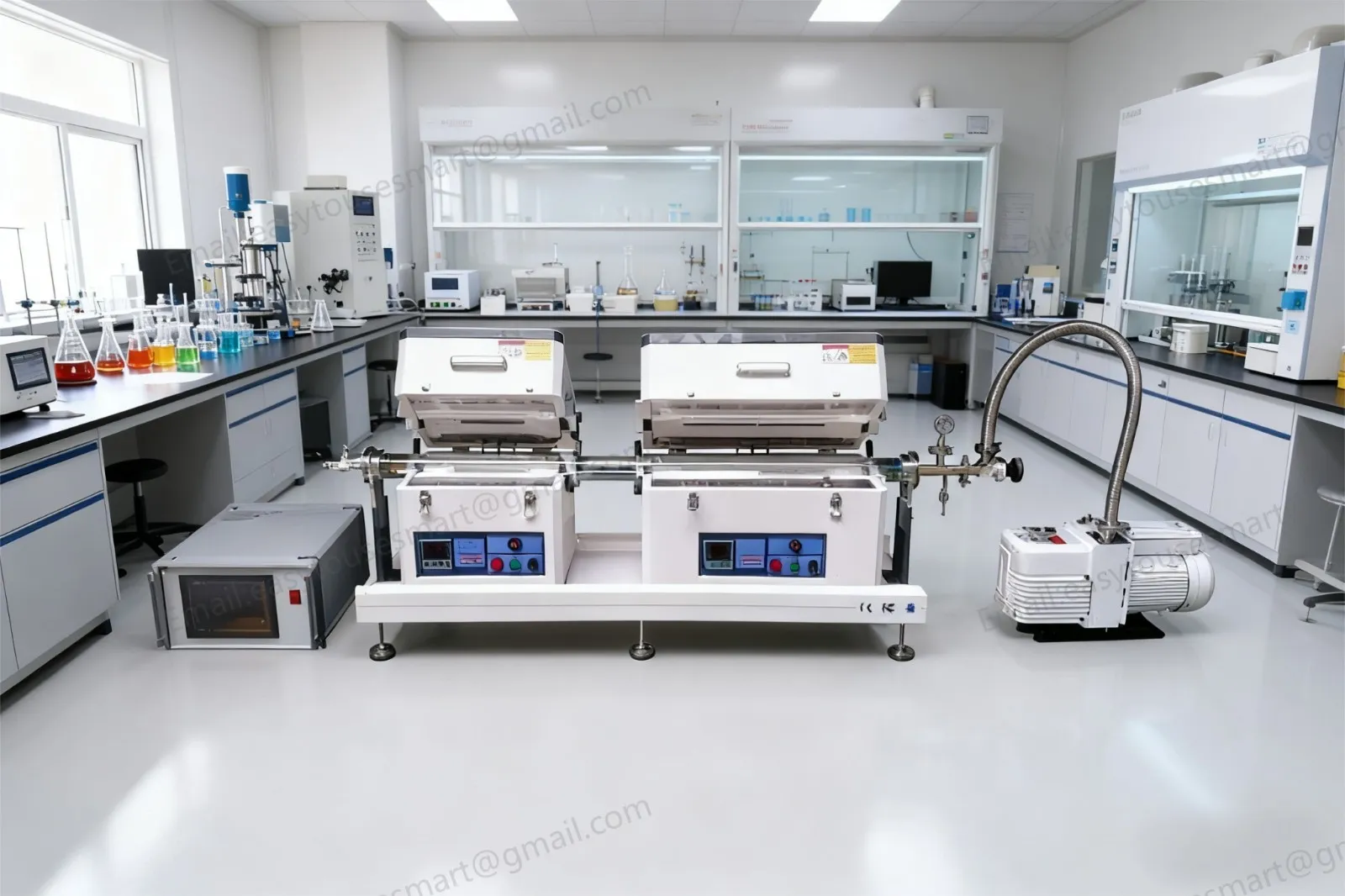
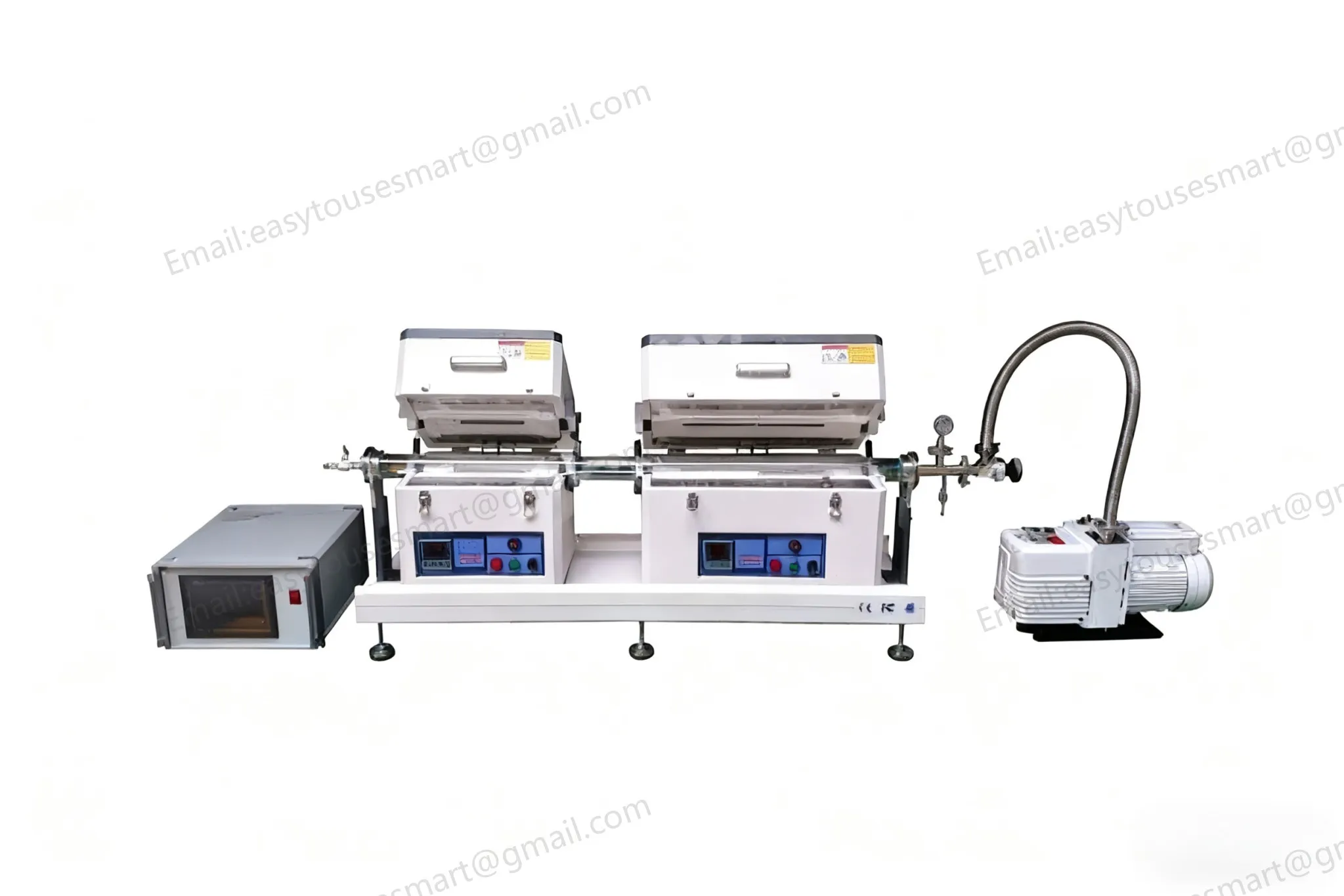
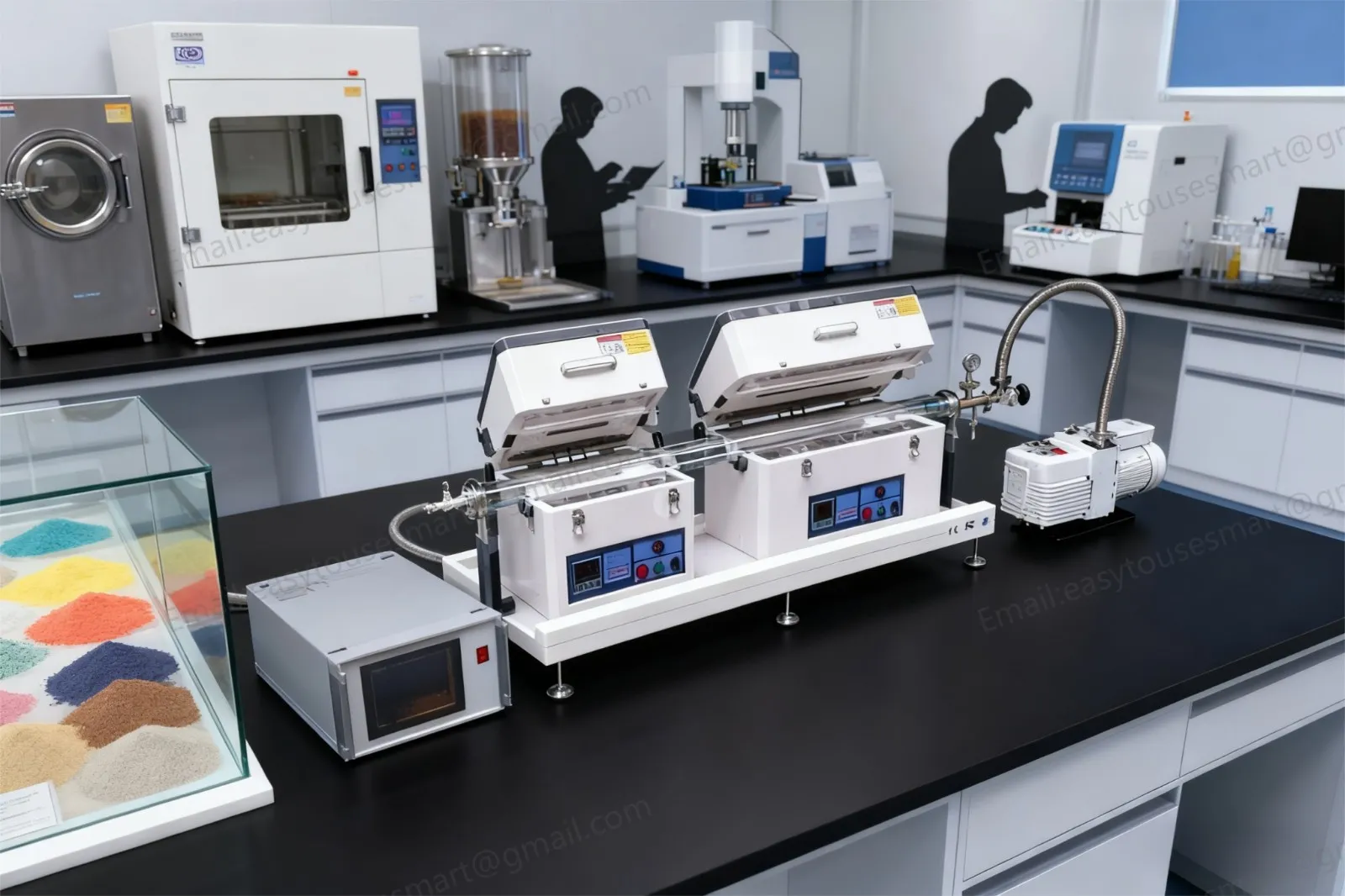
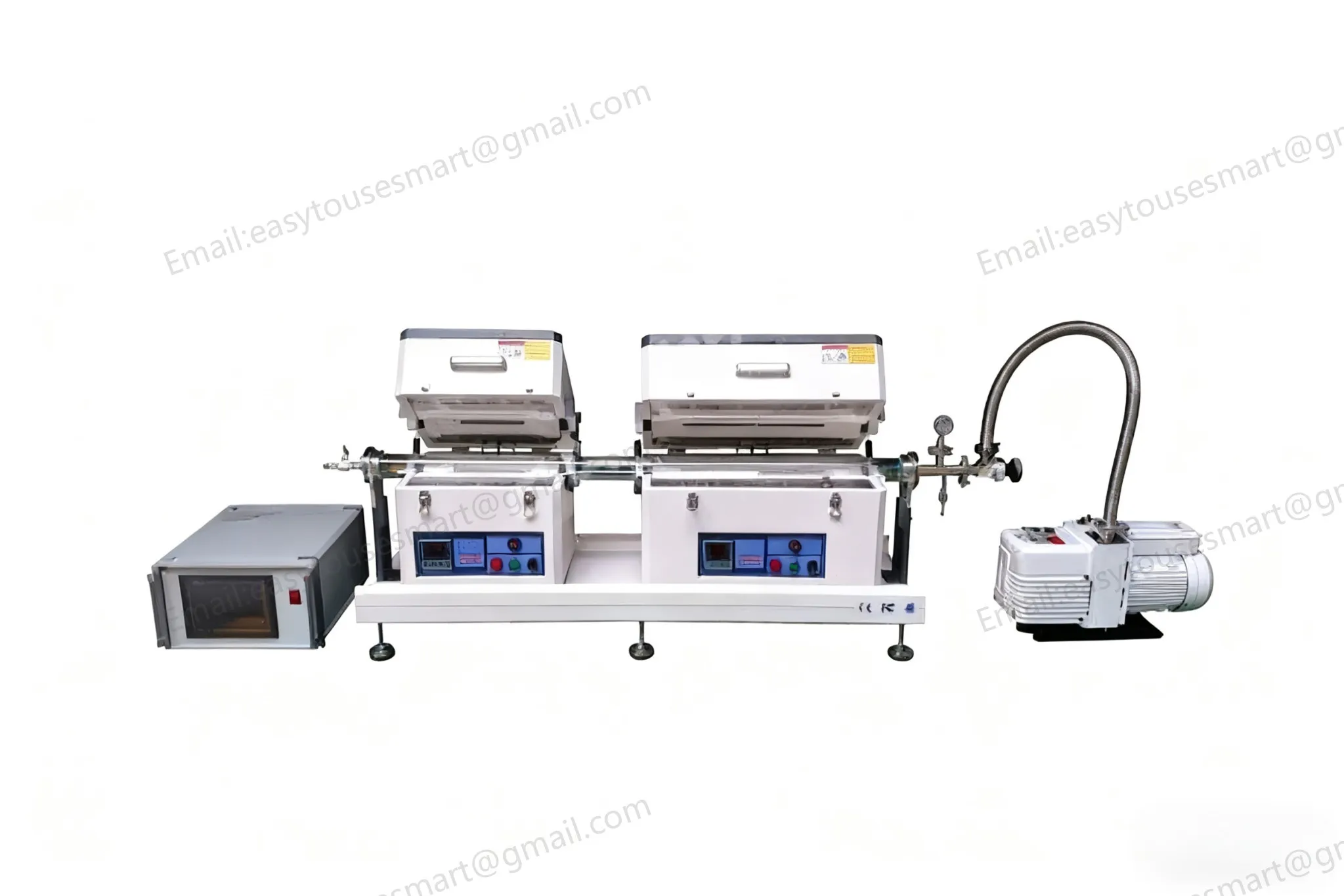
The CVD-1200℃ gradient chemical vapor deposition tube furnace is a high-end experimental device specifically designed for complex thermal process requirements. Its core advantage lies in three independently controlled temperature zones, allowing users to freely set temperatures in each zone to establish precise temperature gradient fields within the reaction tube. This capability is crucial for processes requiring strict differentiation between different temperature stages of precursor evaporation, transport, reaction nucleation, and crystal growth. The system is widely applied in the growth of graphene, carbon nanotubes, transition metal sulfides (TMDs), perovskite films, and various semiconductor heterojunctions. By precisely controlling temperature gradients, researchers can optimize crystal size, layer number, and defect density, making it the preferred platform for in-depth mechanism studies and high-performance device development in universities, research institutes, and new material enterprises.
· The three-zone independent gradient temperature control system features high-quality silicon carbide heating elements and a three-zone independent PID intelligent temperature control module. Each temperature zone can be independently set to any temperature from room temperature to 1200°C, with a control accuracy of ±1°C.
o Flexible gradient construction: Users can set up multiple gradient modes such as "low-temperature evaporation-medium-temperature transport-high-temperature growth" or "high-temperature source area-low-temperature deposition area".
o Precision process decoupling: Effectively addresses the mismatch between the sublimation temperature of solid/liquid precursors and the substrate reaction temperature, enabling precise control of reaction kinetics and significantly improving film uniformity and crystalline quality.
· High-purity quartz reaction chamber with sealing design. The chamber utilizes high-purity (99.99%) quartz tubes (available in Φ60mm/80mm/100mm × 1000-1200mm specifications), featuring high-temperature resistance, corrosion resistance, and metal ion-free contamination. The flange employs a stainless steel quick-release structure, paired with a water-cooled sleeve to protect the sealing ring, ensuring long-term sealing reliability under 1200°C high-temperature conditions and vacuum/atmosphere environments.
· Precision Multi-Channel Gas Delivery and Mixing Control System. This integrated system features 4-8 high-purity gas pipelines, each equipped with an imported mass flow controller (MFC) with a wide flow control range and ±1% F.S. accuracy. It supports precise mixing ratios for reaction gases (e.g., CH₄, H₂, NH₃, SiH₄), carrier gases (Ar, N₂), and doped gases. The unique pre-mixing chamber and bypass exhaust design ensures uniform gas mixing before entering the gradient temperature zone, while minimizing pressure fluctuations in the reaction chamber during gas path switching.
· The system features wide-range vacuum and pressure self-adaptation, supporting both atmospheric pressure chemical vapor deposition (APCVD) and low-pressure chemical vapor deposition (LPCVD) processes. It comes standard with a high-performance rotary vane mechanical pump capable of achieving ultimate vacuum levels up to 5×10⁻³ Pa, with optional turbo molecular pump modules for even lower vacuum (down to 10⁻⁵ Pa). Equipped with an integrated high-precision vacuum gauge, the system continuously monitors and dynamically adjusts the reaction chamber pressure, creating an optimal thermodynamic environment for nucleation and growth of various materials.
· Intelligent Security Protection and Rapid Cooling
o Multi-layer safety protection: Features include over-temperature alarm with automatic power-off, cooling water flow monitoring (water cut-off for heating), overcurrent protection, leakage current protection, and gas leak alarm.
o The rapid cooling system: The high-power forced air cooling system can be optionally equipped to rapidly reduce the furnace temperature after the reaction, effectively "freezing" the crystal structure at high temperature, preventing grain coarsening or adverse phase transformation.
o Intelligent Control: Featuring a PLC-based central control system and a large-size color touchscreen, it supports programming of over 30 temperature curves (including multi-zone coordination), with real-time monitoring of temperature, vacuum level, gas flow rate, and other parameters, all of which can be exported for analysis.
Parameter item | qualification |
Model Identification | CVD-1200 (three temperature zones, maximum 1200°C) |
heating furnace body | Heating element: high purity silicon carbide rod (SiC) Number of temperature zones: Three independent temperature zones Maximum temperature: 1200°C (long-term operation ≤1150°C) Length of constant temperature zone: Single temperature zone ≥200mm, total heating zone ≥600mm Temperature control accuracy: ±1℃ Ramp rate: 0.1-20°C/min (programmable) Gradient mode: Supports linear, stepped, and other temperature distributions |
reaction chamber | Material: High-purity quartz tube (99.99%) Size: Φ60 / 80 / 100 mm × 1000-1200 mm (optional) Flange: Stainless steel quick-release flange, standard with water-cooling jacket |
gas system | Number of channels: 4 channels / 6 channels / 8 channels (expandable) Control method: Imported Mass Flow Controller (MFC) Flow range: 0-10/20/50/100/200/500 SCCM (configure on demand) Compatibility: Supports corrosive, flammable, and toxic gases (requires special piping and exhaust gas treatment) |
vacuum and sub-atmospheric system | Extreme vacuum: ≤ 5×10⁻³ Pa (mechanical pump) / ≤ 1×10⁻⁵ Pa (molecular pump) Pressure measurement: composite vacuum gauge or capacitive film gauge Pressure control: Electric butterfly valve + PID pressure controller (optional) |
coolant passage | Method: Natural cooling / Forced air cooling for rapid temperature reduction / Water-cooled flange Wind-cooled power: adjustable speed and high air volume fan |
navar | Interface: 10-inch color industrial touch screen + PLC intelligent control Functions: 30-50 stage programmed temperature rise, multi-zone coordinated control, real-time data curve recording, fault self-diagnosis, USB data export |
security guard | Overtemperature power-off, water-off protection, overcurrent/short-circuit protection, emergency stop button, gas leak alarm (optional) |
power requirement | AC 380V (three-phase), 50Hz, total power 6kW-10kW (depending on the furnace size) |
· Large-area single-layer graphene growth: Utilizing temperature gradients to optimize methane cracking and carbon atom diffusion rates on copper foil surfaces, achieving the preparation of ultra-large single-crystal graphene.
· Preparation of carbon nanotube arrays: Highly oriented carbon nanotube arrays were grown by precise control of catalyst activation and carbon source decomposition through gradient temperature control.
· Two-dimensional material heterojunctions: sequential growth of different materials (e.g., graphene/h-BN/MoS₂) across distinct temperature ranges to construct vertical or planar heterojunction structures.
· Solid-state precursor CVD: For solid sources with high sublimation temperatures (e.g., sulfur powder, selenium powder), the sublimation rate is precisely controlled in the preheating zone, followed by reaction deposition in the postheating zone.
· Doping and Modification: The gradient doping or component gradient of materials is realized by gradient field to optimize the photoelectric properties.
· Perovskite film crystallization: Through specific heating and cooling gradients, the growth of perovskite grains is controlled to reduce grain boundary defects.
The CVD-1200℃ gradient chemical vapor deposition tube furnace, with its exceptional three-zone independent temperature control capability, offers researchers unprecedented process flexibility. It not only meets conventional CVD requirements but also addresses the kinetic matching challenges in complex material growth by establishing precise temperature gradient fields, significantly enhancing crystal quality and experimental reproducibility. Featuring high-quality heating elements, a pure reaction environment, and an intelligent safety control system, this system serves as a powerful engine for exploring next-generation nanomaterials and optoelectronic devices. Choosing this system means embracing a more efficient, precise, and secure future for scientific research.
QR code

Contact information
15738867410
Online Message
Top